Buying and Storing Caviar: CITES Labels and the Cold Chain
What to look for on the tin, the label and the batch record.
Updated
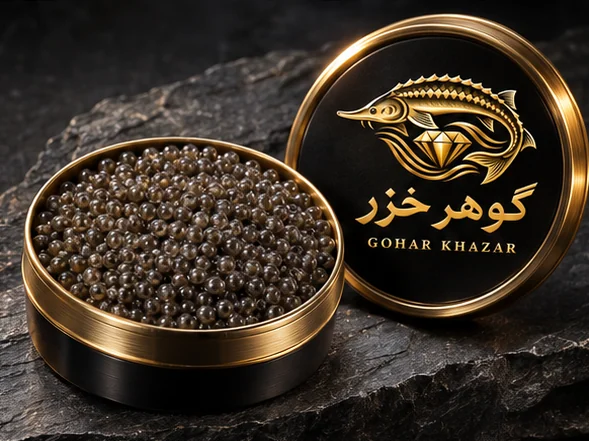
Traceability checklist
- Check the species, country of origin and producer or repacker.
- Check the batch identifier, net weight, use-by date and seal, and retain the invoice.
- For trade covered by CITES, check the non-reusable label on the primary container alongside the relevant documentation. Original packaging codes typically include species, source, country of origin, harvest year, plant code and lot identification. Repackaging can use a different format.
Storage temperatures and opened tins
Codex specifies +2 to +4 °C during packaging, storage and retail, and −4 to 0 °C for wholesale operations and their storage and transport. Follow the storage instructions and the after-opening time for the particular product. Return it to cold storage after serving and minimise time at room temperature.
Buying by weight
Choose the net weight based on the number of guests and serving size. For example, a 30 g tin makes two 15 g servings. Factor in weight, species, use-by date and chilled shipping when comparing prices. A seller’s QR code can make batch information easier to find, and its reliability depends on the records behind it.