What Is Iranian Caviar? From the Caspian Sea to the Farm
Iran’s caviar history, its ties to the Caspian Sea, and what Iranian origin means on the label.
Updated
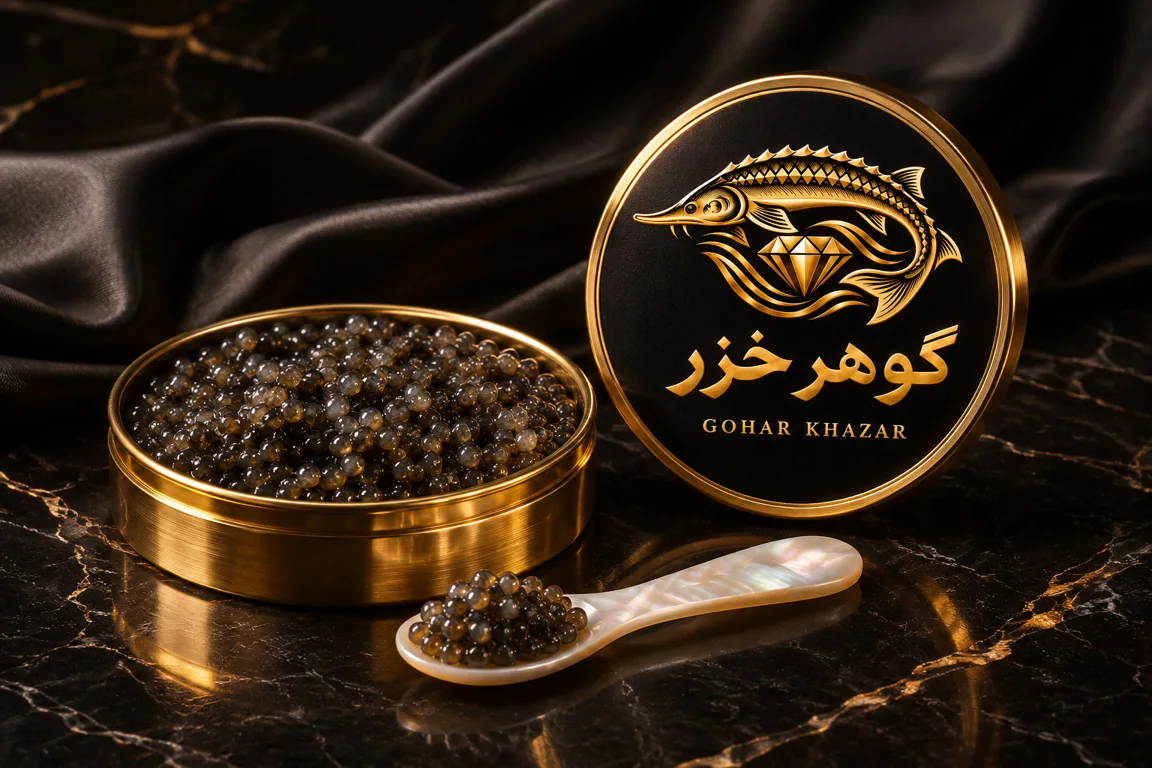
Sturgeon caviar is made by processing and salting the roe of fish in the family Acipenseridae. Iranian caviar owes its reputation to the historic fishing and processing industry on the southern shores of the Caspian Sea. Today, the label and supporting records are the best way to check where a particular batch came from, which species produced it, and who processed it.
A short history of Iranian caviar
Encyclopaedia Iranica identifies beluga, sturgeon and stellate sturgeon as traditional sources of roe in the southern Caspian. The industry developed around fishing rights, trade with Russia and changes to the administration of Iranian fisheries. Iranica also describes a religious ruling issued in 1983 on the permissibility of eating sturgeon meat and caviar.
From wild fisheries to aquaculture
Wild stocks declined under pressure from fishing, habitat damage and barriers to river migration. Farmed sturgeon now supply most of the legal market. Conservation stocking has a different goal from commercial production. Stocking programs consider genetic diversity, broodstock origin, suitability for the receiving river and monitoring after release.
Does Iranian caviar always come from wild Caspian fish?
Much of today’s supply comes from farms. To verify Iranian origin, check the declared country of origin and the processing facility. Names such as Beluga and Ossetra identify species or commercial styles used in multiple countries.