Water Quality for Sturgeon: Temperature, Oxygen and Minerals
FAO hatchery reference ranges and how to interpret water and oxygen measurements.
Updated
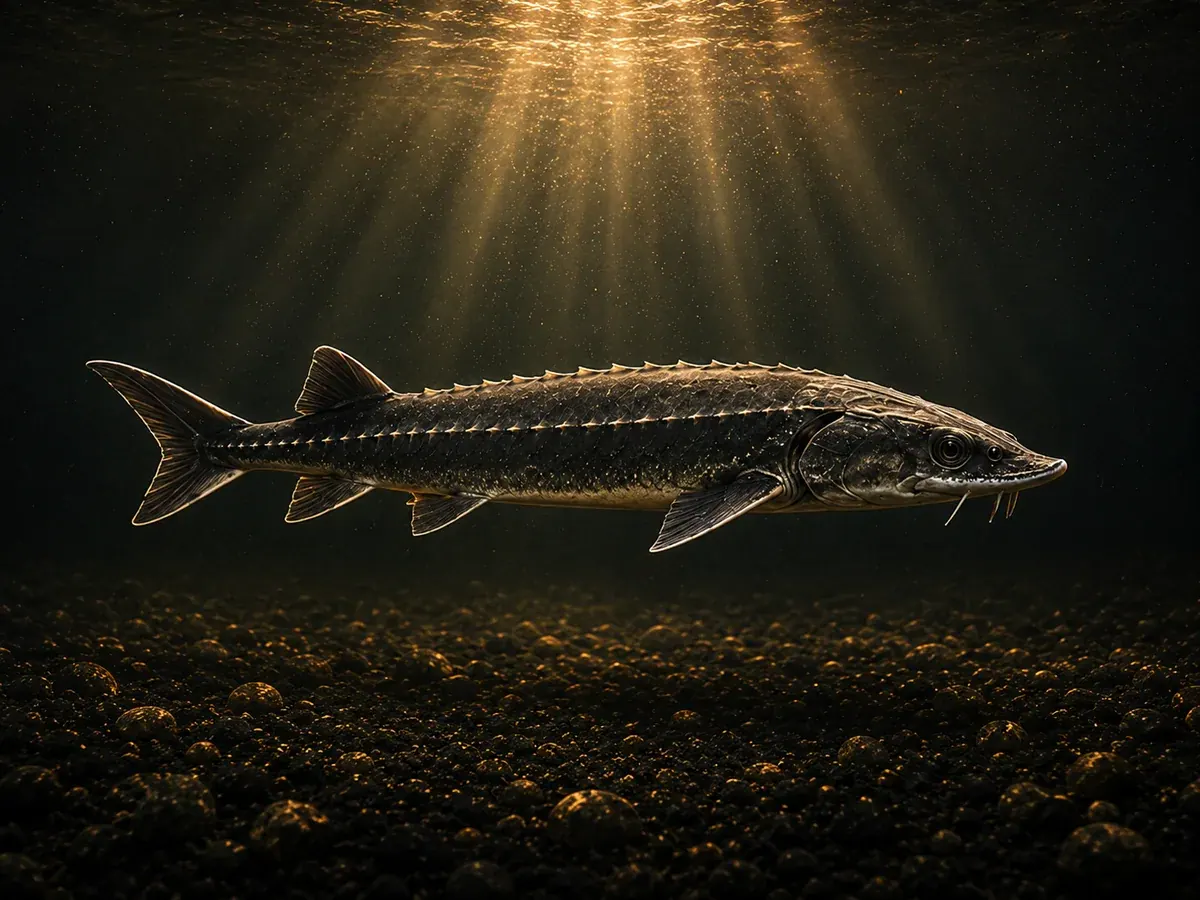
Hatchery water should be stable, oxygenated near saturation and kept at temperatures appropriate to the species and life stage. These values come from FAO hatchery guideline Table A1.2. Apply them with local water, season, species and life-stage data.
| Parameter | Reference | Interpretation |
|---|---|---|
| Dissolved oxygen | 5 mg/L to saturation | Chapter 7 favours near-saturation inlet water. 5 mg/L is the lower reference bound, not a routine target. |
| pH | 6.5–8.5 | 6.5–7.5 is preferred for the water source. |
| Un-ionised ammonia | <0.01 mg/L | Its fraction depends on pH and temperature. Check the laboratory units. |
| Nitrite as nitrogen | 0.1 mg/L in soft water, 0.2 mg/L in hard water | NO₂-N and NO₂ are different reporting bases. |
| Carbon dioxide | 0–10 mg/L | High CO₂ can occur even at adequate oxygen levels in RAS. |
| Alkalinity | 50–400 mg/L as CaCO₃ | Indicates the ability to buffer pH changes. |
| Total hardness | 10–400 mg/L as CaCO₃ | Mainly reflects calcium and magnesium. Measure alkalinity separately. |
| Iron | <0.01 mg/L | Check for precipitates and their effects on gills and equipment where well water is used. |
| Total gas saturation | <105% | The guide notes sensitivity in fry and possible risk from around 102.5%. |
Set temperature by life stage
Grow-out, incubation and broodstock conditioning can require different temperatures. FAO illustrates seasonal regimes for Russian sturgeon and reports maturation under regulated conditions or at 20 °C for some species. These are documented scenarios. Validate your temperature against appetite, oxygen, growth and cohort performance.
Milligrams per litre or percent saturation?
Record both. Percent saturation depends on temperature, pressure and salinity. At a given saturation percentage, warm water or higher elevation can mean a lower oxygen concentration. Measure at tank inlets and outlets during peak feeding and other critical hours. Calibrate sensors as directed and cross-check them with a second meter.
Monitoring and response
For high-density units, start with continuous oxygen and temperature logging and alarms. Test salinity or conductivity, alkalinity, hardness, nitrogen compounds and iron seasonally, together with local risks. If oxygen falls suddenly, check flow and backup equipment, pause feeding according to the farm plan and contact the technical lead. Check total gas saturation separately.