Feeding Sturgeon: Protein, Fat and Feed Conversion
Feed composition, beluga trial results and practical performance measures.
Updated
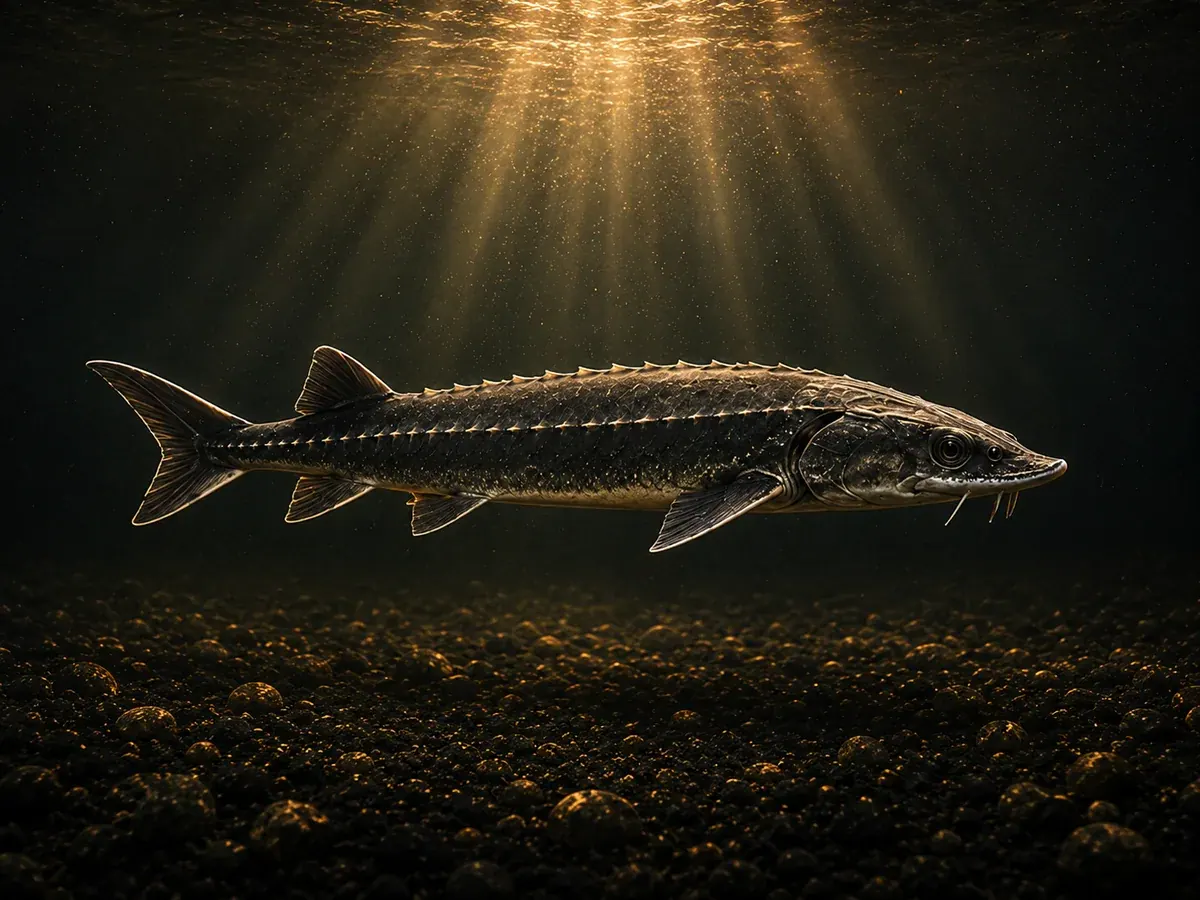
Feed affects growth, survival, cost, waste and sometimes the fatty-acid composition of flesh and roe. Match feed to the species, mouth size, stage and temperature. Larvae, juveniles, grow-out fish and broodstock have different requirements.
Protein, fat and micronutrients
- Protein: Consider digestibility and amino-acid balance alongside crude protein.
- Fat: Evaluate the oil source, oxidative stability and storage. Fat provides energy and essential fatty acids.
- Micronutrients: Use a complete feed matched to the life stage. Assess suspected deficiencies before supplementing feed or water.
What do feeding trials show?
In one juvenile beluga trial, the 40% and 45% crude-protein diets produced greater weight gains and specific growth rates than the four other diets tested. Another eight-week study started with beluga averaging about 82 g and compared protein sources in diets containing 40% protein and 16% fat. The latter fat level was part of that study’s design. Neither study establishes a diet for all species and broodstock.
Measure feed conversion
Divide feed consumed by biomass gained over a defined period and state how mortalities and transfers were handled. Log uneaten feed, appetite and water quality. Compare ratios only with stage, temperature and sample weights in view.
Sources
- FAO — Sturgeon Hatchery Practices and Management for Release, Chapter 7 and Table A1.2
- FAO — Siberian sturgeon aquaculture species profile
- Aquaculture Research — a dietary protein trial in juvenile beluga
- Journal of the World Aquaculture Society — a feeding trial in beluga
- Fishes (2020) — composition of sturgeon meat and caviar, Tables 1 and 5