Sturgeon Health: Warning Signs and Veterinary Assessment
How to distinguish possible environmental and infectious causes and what to tell the veterinarian.
Updated
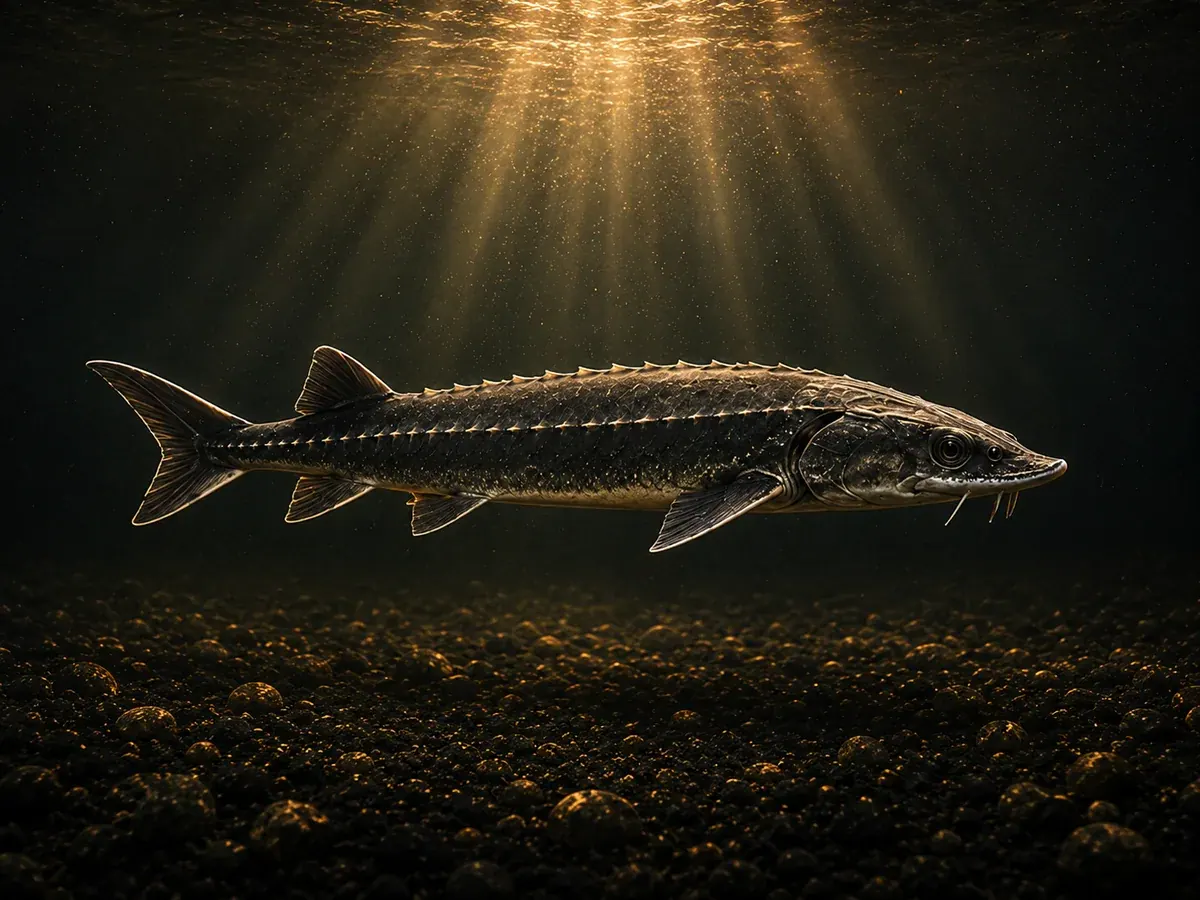
Reduced appetite, unusual breathing, darkening, lesions, abnormal swimming and rising mortality warrant attention. Water quality, infection and feed problems can produce overlapping signs. If several tanks are affected together, promptly check temperature, oxygen, flow and feeding records.
| Category | Examples | First step |
|---|---|---|
| Environmental | Low oxygen, ammonia, altered water quality or gas supersaturation | Test inlet and outlet water and review equipment logs. |
| Viral | Known sturgeon viral diseases, with susceptibility varying by species and stage | Keep the affected group separate and seek veterinary diagnosis. |
| Bacterial, parasitic or water mould | May accompany skin damage, losses or declining condition | Arrange examination and sampling under veterinary guidance. |
| Nutritional | Unsuitable feed, abrupt changes or poor storage | Review feed lot, opening date and feeding plan. |
What to tell the veterinarian
Provide the species, fish numbers and weights, affected tanks, onset date, daily mortality, water records, recent stocking and movements, stock origins and treatment history. Pause transfers between tanks and live sales of affected stock pending clarification. Ask the veterinarian about diagnosis and local reporting requirements.