Sturgeon Farming: From Hatchery to Caviar Harvest
A step-by-step guide to breeding, rearing, sexing, maturity assessment and harvest.
Updated
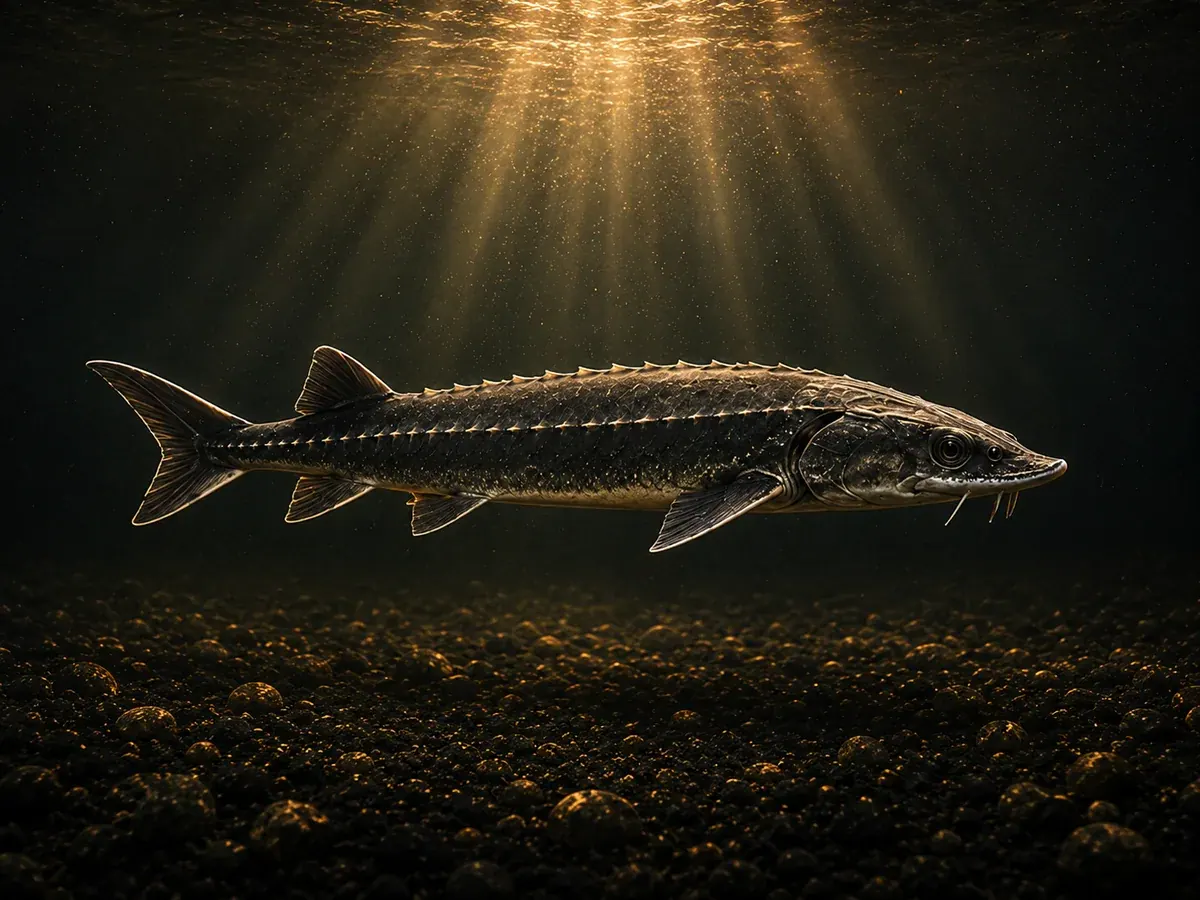
- Broodstock and origin. Record the species, lawful origin, health history, parent identity and plan to limit inbreeding. A meat or caviar farm can buy documented juveniles instead of operating its own hatchery.
- Breeding. Specialists assess broodstock maturity and prepare eggs and milt for fertilisation and incubation. Record parent IDs, dates, fertilisation rates and incubation conditions.
- Incubation and hatch. Manage water flow and quality for the species and equipment. Record egg condition and hatch rate by batch.
- Larvae and first feeding. When larvae start feeding externally, match feed type and size to their stage. Check survival and growth uniformity before transfer.
- Juveniles and grow-out. Monitor health and acclimation during transfers. Track feed, losses and biomass to estimate the actual load on the system.
- Sex determination. Trained staff can use ultrasound when the fish reach a suitable age and size. Recheck uncertain results. Marketable males can be raised for meat.
- Female maturity. Monitor ovarian development and the size and quality of the roe. Plan harvest around verified maturity and the processor’s acceptance criteria.
- Processing and traceability. Deliver raw material to a licensed facility. Link fish IDs, harvest lots, quality-control records and container codes.
Hatchery eggs and eggs destined for caviar follow different production pathways. Age at maturity varies with species, temperature and growth history. Budget for a range of harvest dates.
What to record for each batch
Track fertilisation and hatch rates, larval survival, mean weight, biomass, feed consumption, temperature, sexing results and saleable caviar yield. State the denominator for each survival figure, such as the number at the start of that stage.