Sturgeon Meat Nutrition: Protein, Fat and Moisture
Laboratory measurements for Siberian and white sturgeon fillets and how they differ from caviar.
Updated
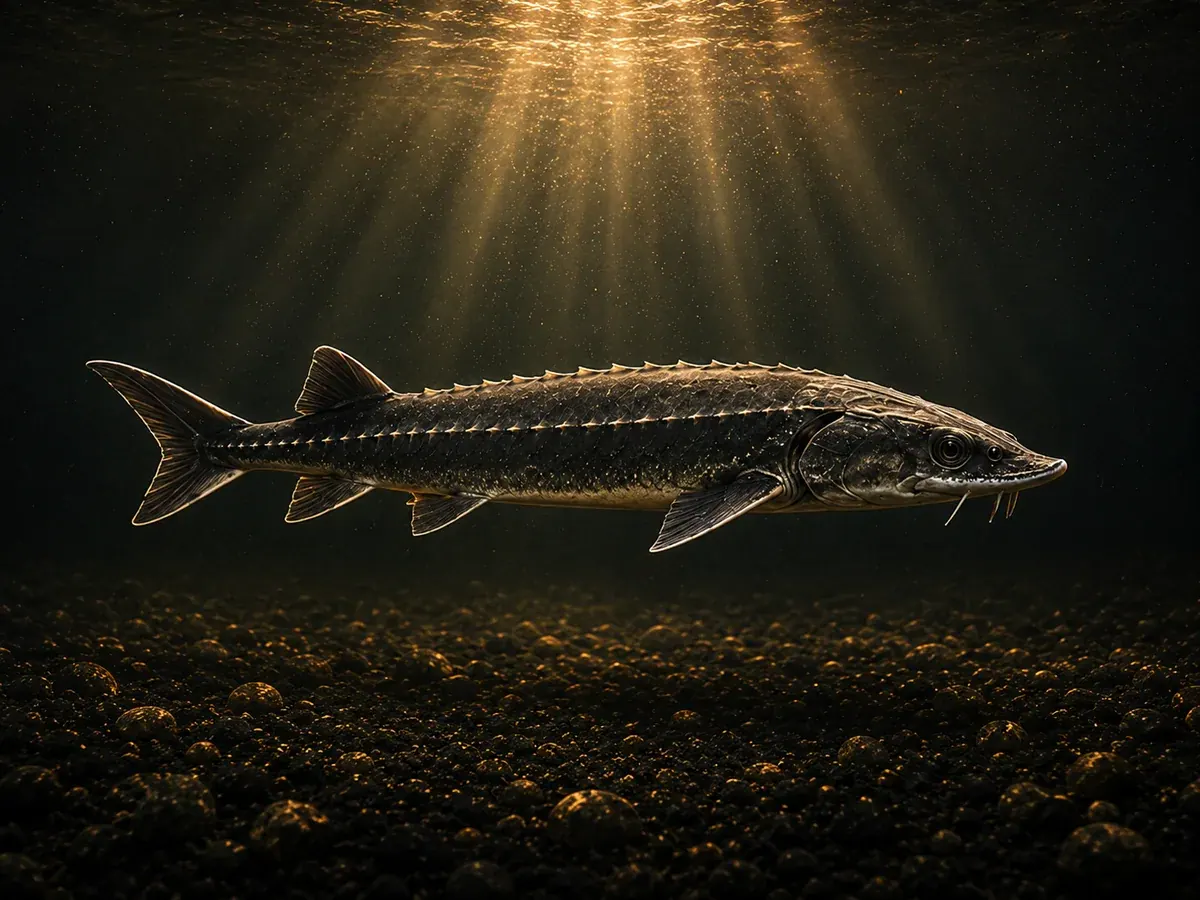
Sturgeon meat and cured roe differ in moisture, fat and salt. The table shows laboratory means for three raw fillet groups in a study published in Fishes. Each group contained five fish.
| Sample | Protein | Fat | Moisture | Ash |
|---|---|---|---|---|
| Female Siberian sturgeon, 5–8 kg | 17.6 | 5.6 | 75.5 | 1.3 |
| Female white sturgeon, 30–50 kg | 19.6 | 3.9 | 75.2 | 1.2 |
| Male white sturgeon, 6–10 kg | 18.6 | 2.6 | 77.7 | 1.1 |
How to interpret the numbers
The study was not designed to isolate the effects of age, sex, feed and species. Nutrition panels for beluga or Persian sturgeon should use testing of those products. Cooking changes moisture and fat, while curing adds sodium, so raw values cannot be applied directly to breaded, smoked or salted fillets.
What does ash measure?
Ash is the mineral residue left after controlled laboratory combustion. For example, 1.3 g of ash per 100 g of fillet means the test measured 1.3 g of mineral residue. The value describes composition and does not itself indicate a health benefit. Quantifying calcium, iron or phosphorus requires an individual test. The researchers also measured fatty-acid profiles. Total fat alone does not tell you how much EPA or DHA is present.